
Flames Leap, Dreams Ignite
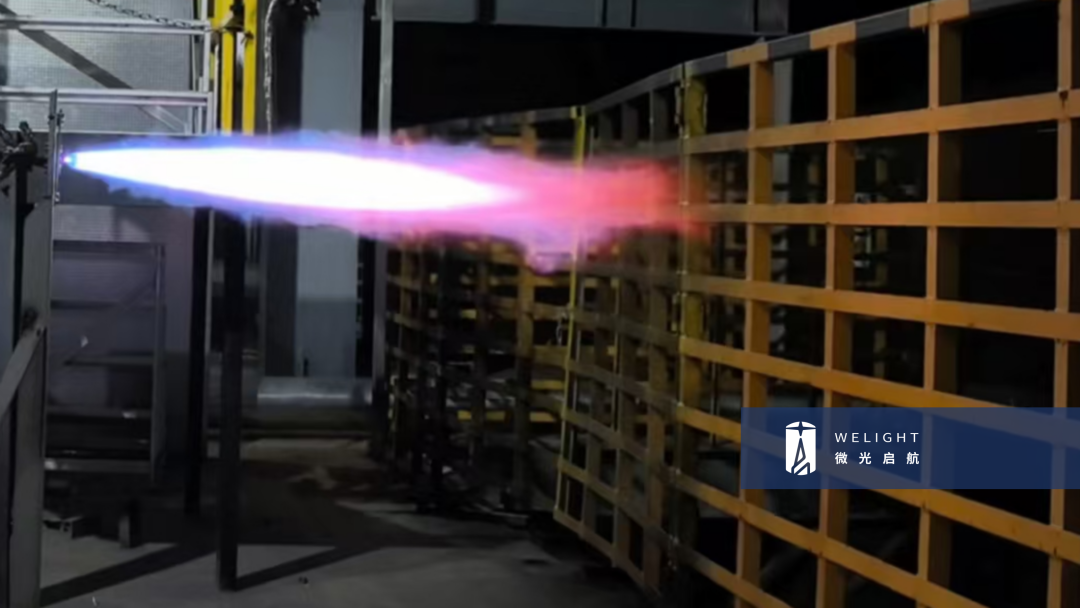
Yesterday, Beijing WeLight Technology Co., Ltd. successfully completed the ignition test of the plasma torch igniter for its independently developed HG-1 full-flow LOX/methane engine! This marks a critical step forward in China's high-performance liquid rocket engine technology and lays a solid foundation for subsequent oxygen-rich/fuel-rich pre-burner ignition tests! This "spark" ignited at the test site is illuminating the next golden decade of China's space industry.
Thousand Verifications, Flawless This test successfully verified the operational stability of the oxygen-rich and fuel-rich pre-burner plasma torch igniters under different oxygen/fuel ratios and flow rates. After rigorous testing, key performance parameters such as output energy, flame length, and thermal protection design all met the design requirements. Notably, the plasma ignition device had already completed 1,000 ignition tests in a 1×10⁻³ Pa vacuum environment prior to this test, demonstrating its exceptional reliability to the highest standards. Core Technological Breakthroughs at a Glance With microsecond-level electronic ignition capability, ultra-high arc temperatures, and precisely adjustable energy output, it synchronously unlocks the initial combustion of both oxygen-rich and fuel-rich pre-burners.
Cornerstone of Full-Flow Cycle
Extended Operational Life
CostOptimization
Advanced Manufacturing
Green Propellant
Why Is This Breakthrough Crucial?
The HG-1 engine delivers 42 tons of sea-level thrust (52 tons in vacuum). Its successful development will fill the technological gap in China's full-flow LOX/methane engine field. This breakthrough not only marks China's mastery of next-generation liquid engine core technologies, but also lays a solid foundation for reusable rocket development. The breakthrough in plasma ignition technology gives China a significant competitive advantage in the commercial space race.
A New Journey Is About to Set Sail
Currently, the oxygen-rich and fuel-rich pre-burners of the HG-1 engine have officially entered production, and liquid flow tests and ignition tests are scheduled for next month. This will be a critical step toward full-engine testing and first flight verification.
From "Spark" to "Torch"