
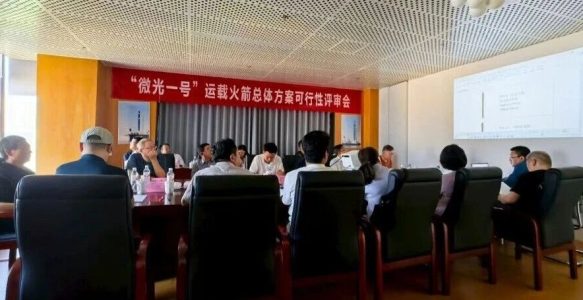
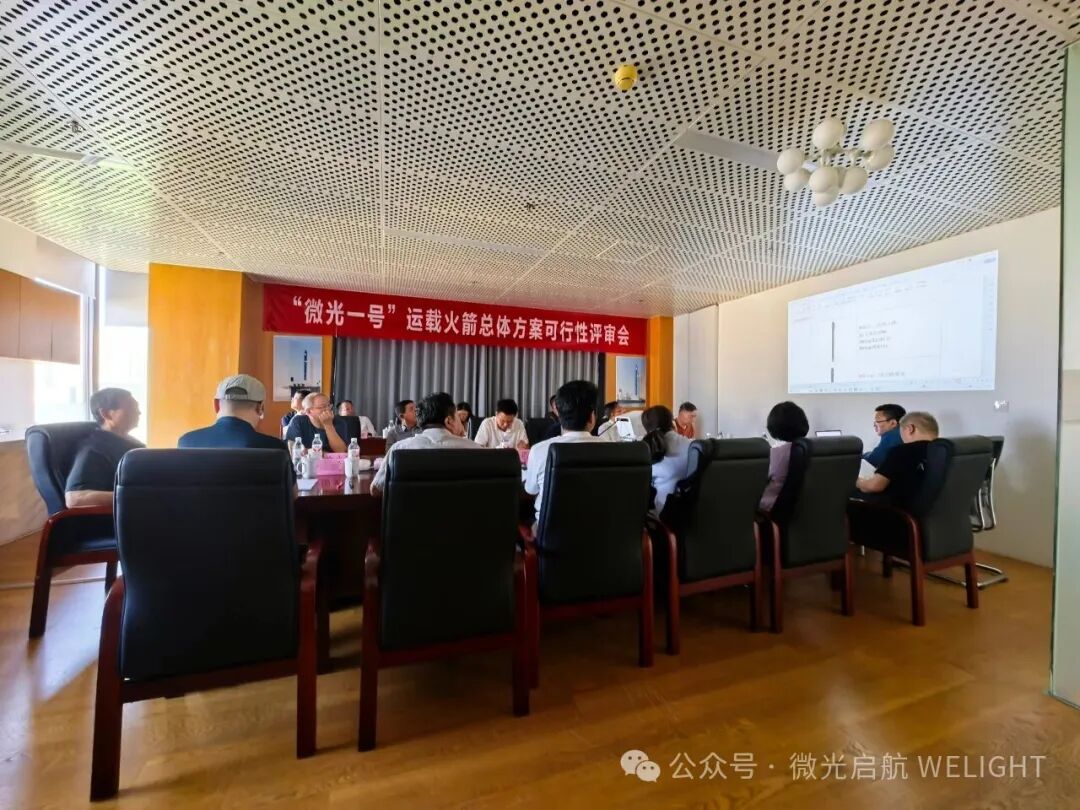
Recently, the overall system design of the "Spark-1" launch vehicle, independently developed by Beijing WeLight Technology Co., Ltd. (hereinafter referred to as "WeLight"), successfully passed the feasibility review, marking the official entry of the project into the detailed development phase. The review panel consisted of over a dozen national-level researchers and leading university professors from the launch vehicle sector, covering authoritative experts in key fields such as overall system design, structural systems, pressurization and feed systems, telemetry and control, launch support, materials science, simulation technology, and intelligent manufacturing. Following in-depth deliberations, the expert panel unanimously agreed that the Spark-1 launch vehicle project has clear market demand, distinctive innovations, well-defined paths for key technology development, and comprehensive, rational, and feasible technical solutions – laying a solid foundation for subsequent development work and clearing the way for detailed engineering.
Spark-1 is China's first launch vehicle to fully apply carbon-fiber composite materials, paired with a self-developed full-flow LOX/methane engine. With its "materials + propulsion" dual-driven technology at the core, it significantly enhances launch efficiency and cost-effectiveness. Carbon-fiber composites reduce weight by over 30% compared with traditional metal materials, while maintaining high strength and extreme-environment resilience. The full-flow LOX/methane engine offers high specific impulse, reusability potential, and environmental benefits. Together, they dramatically lower overall rocket costs, delivering a cost-effective, highly reliable medium-lift launch vehicle solution to the international market.
Spark-1 targets the growing global commercial space market demand for medium and low-orbit satellite launches. Through deep optimization of materials and propulsion systems, it achieves the dual goals of improved launch efficiency and reduced launch costs. The clean combustion characteristics of LOX/methane propellant also align with the global trend toward sustainable space development, offering customers more competitive commercial launch services.
The review brought together authoritative experts from across the entire launch vehicle industry chain, conducting multi-dimensional assessments from design and manufacturing to launch support, ensuring technical feasibility and engineering practicality. Based on the characteristics of composite structures and full-flow engine technology, experts from their respective fields conducted a comprehensive analysis of the "Spark-1 Launch Vehicle Overall System Feasibility Report," examined risks and control measures for key technologies, and provided valuable guidance on complex engineering system issues arising from the application of new materials – laying a solid foundation for the subsequent development of Spark-1.
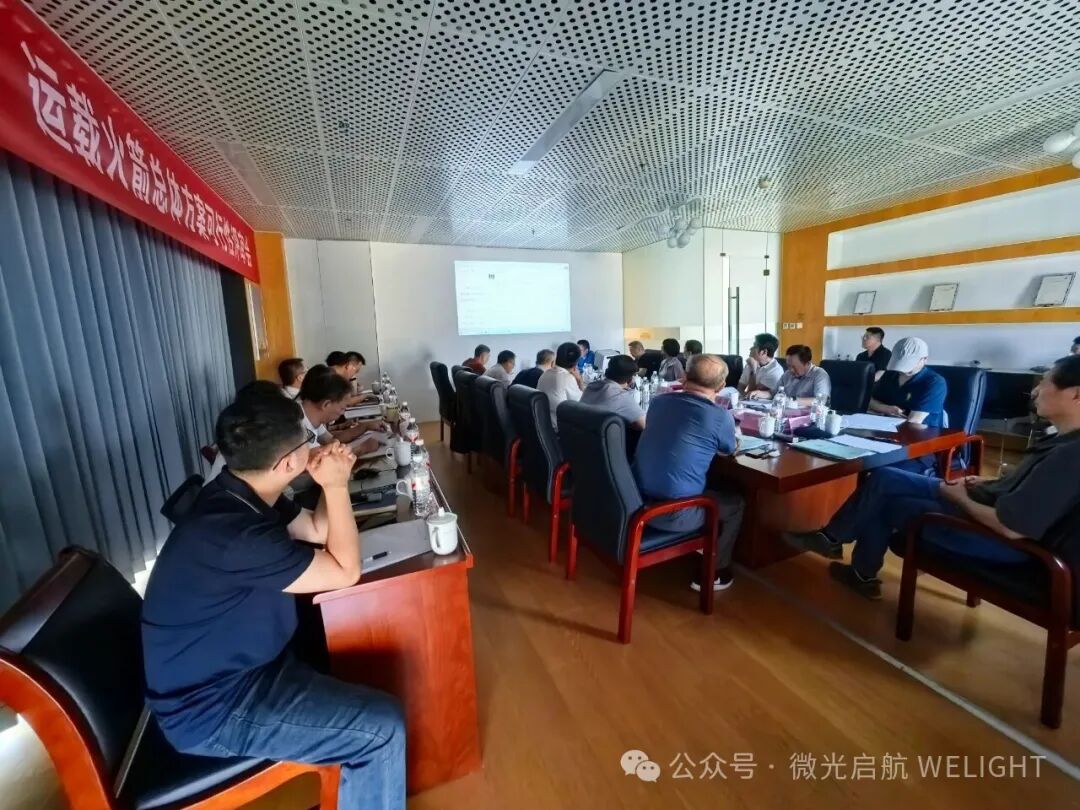
In aerospace systems engineering, the feasibility of the overall system design is the primary key to project success. A well-demonstrated feasibility plan can prevent development rework, schedule delays, and cost overruns caused by fundamental design flaws. Spark-1 underwent multiple rounds of iterative optimization in its early stages, ensuring that every aspect – from system parameter allocation to technology pathway selection, from material system validation to propulsion system integration, and from structural design to manufacturing processes – was rigorously optimized and simulation-verified. "This solid step forward clears systemic obstacles for subsequent detailed design, test verification, and product delivery," said a review panel expert. "It is a crucial guarantee for avoiding slow progress and ensuring efficient project advancement."
WeLight will continue to drive launch vehicle technology iteration and commercial application with Spark-1 as its core vehicle, supporting the development of global space infrastructure. Targeting medium-lift launch demand in the global commercial space market, Spark-1's steady implementation of its feasibility plan ensures the project advances on schedule. The company expects to achieve commercial operations by 2028, and will provide global customers with highly reliable, low-cost, and environmentally friendly launch services in the future.
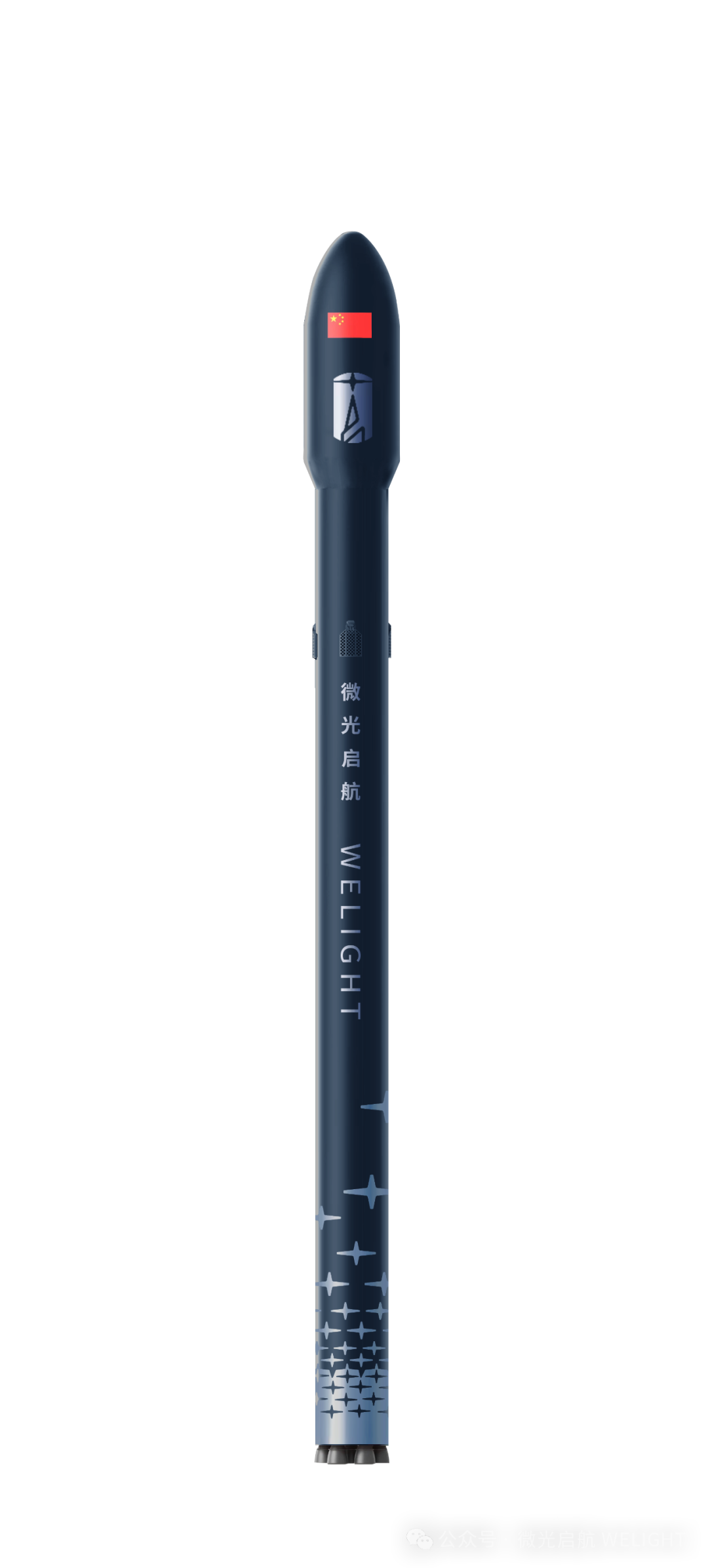
WeLight firmly believes that only with a solid foundation can one go far and steady. The establishment of Spark-1's overall system feasibility is not only a technological breakthrough – it is also a practice of engineering philosophy.