
Full‑Chain Joint Verification, All Core Metrics Fully Met
This test conducted dual‑dimensional systematic verification across the full launch chain, comprehensively covering two core directions: ground system adaptability and tank environmental tolerance.
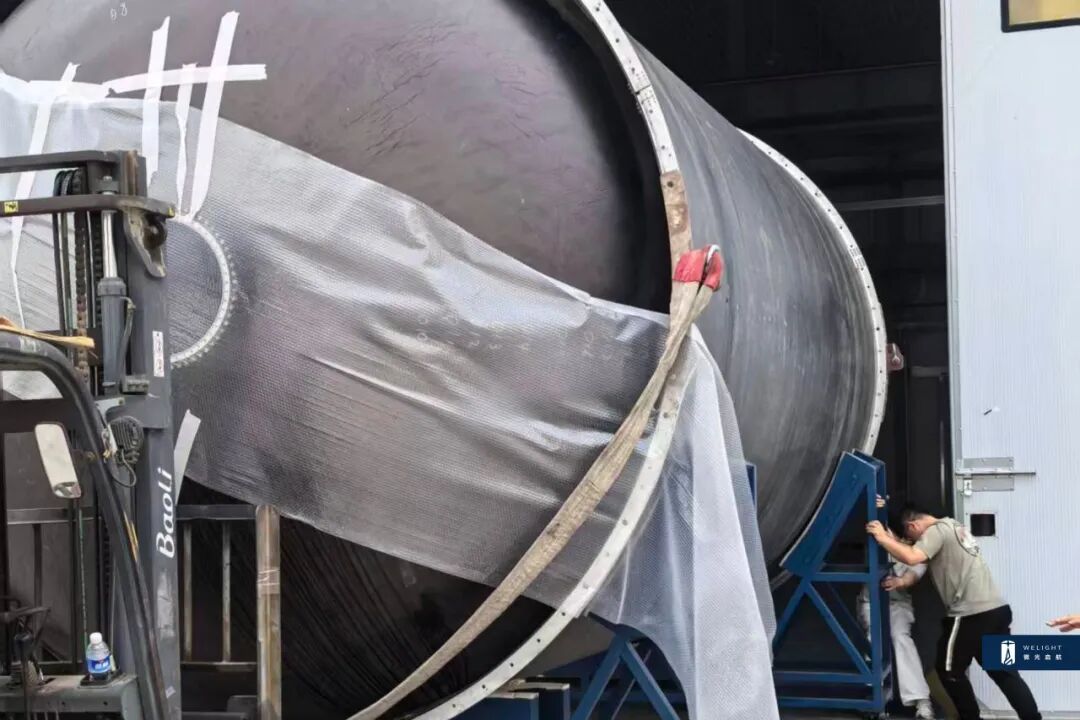
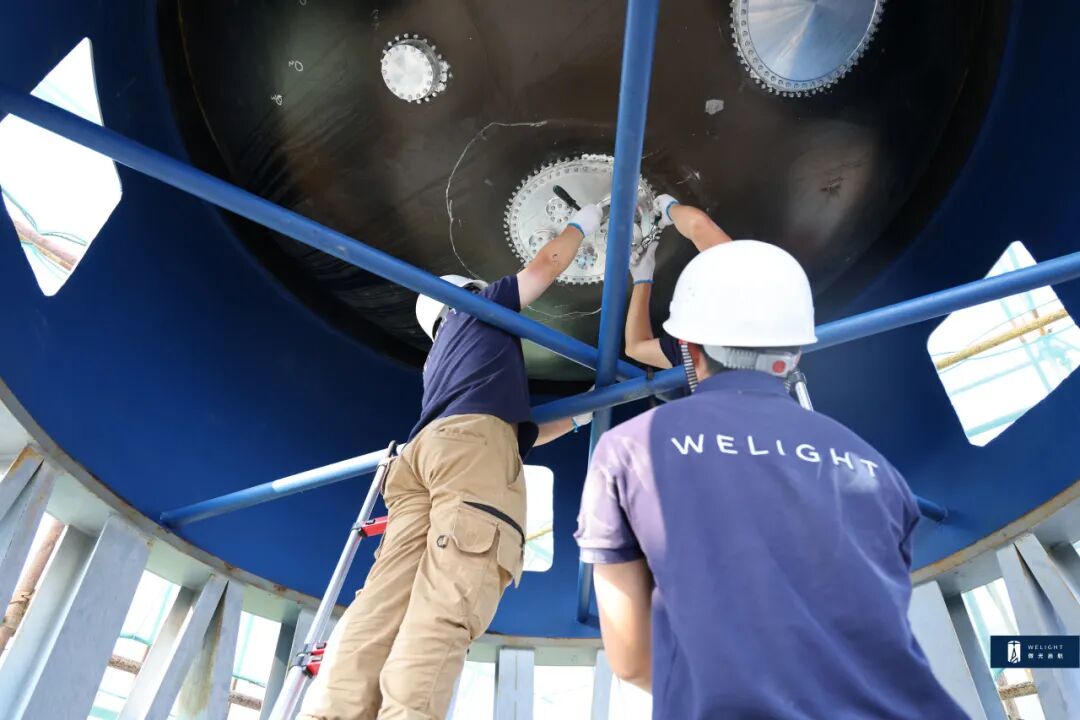
Figure: Preparation site for the first joint test of the Spark-1 ground fueling and gas supply system with the carbon‑fiber tank
On one hand, this test achieved the world's first engineering‑level fueling simulation validation for a liner‑free carbon‑fiber composite common‑dome tank, completing a full‑process test at 100% tanking capacity. It covered core procedures including remote telemetry and control, fueling and gas supply functional verification, and connector separation, fully replicating the actual conditions of the pre‑launch fueling sequence. The test system comprehensively validated interface compatibility, process reliability, and control precision between the ground fueling and gas supply system and the composite tank, with all functional and performance metrics meeting design expectations.
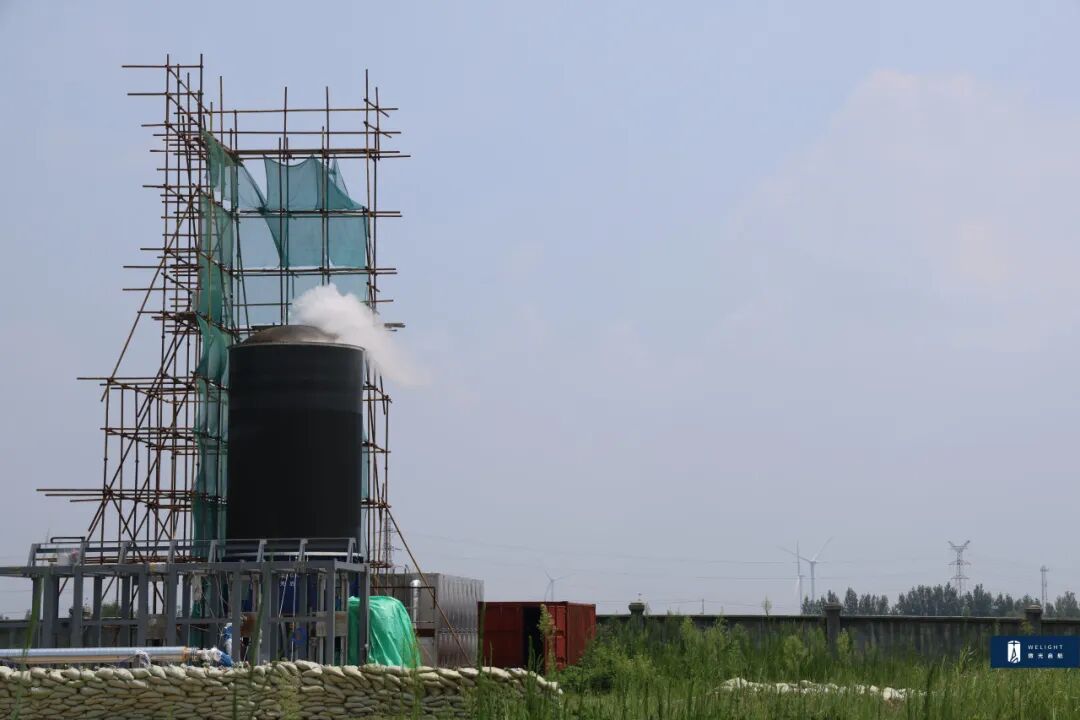
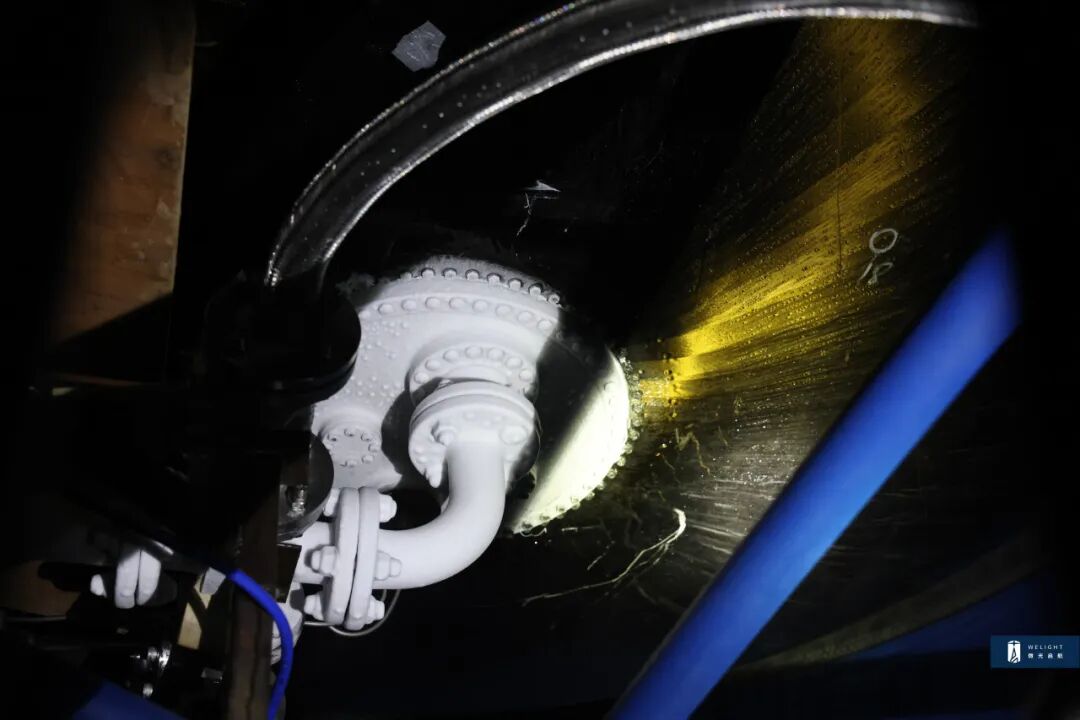
Figure: Test site of the first joint test of the Spark-1 ground fueling and gas supply system with the carbon‑fiber tank
On the other hand, the test simultaneously conducted cryogenic impact and thermal cycling validation on the liner‑free carbon‑fiber common‑dome tank. As of the completion of this test, the tank has undergone more than 20 load cycle tests, with structural integrity and sealing performance remaining consistently stable. This further validates the extreme‑environment adaptability, structural reliability, and fatigue resistance of the carbon‑fiber tank, responding to industry concerns about the reusability of carbon‑fiber tanks with empirical data, while also boosting the team's confidence for the maiden flight campaign.
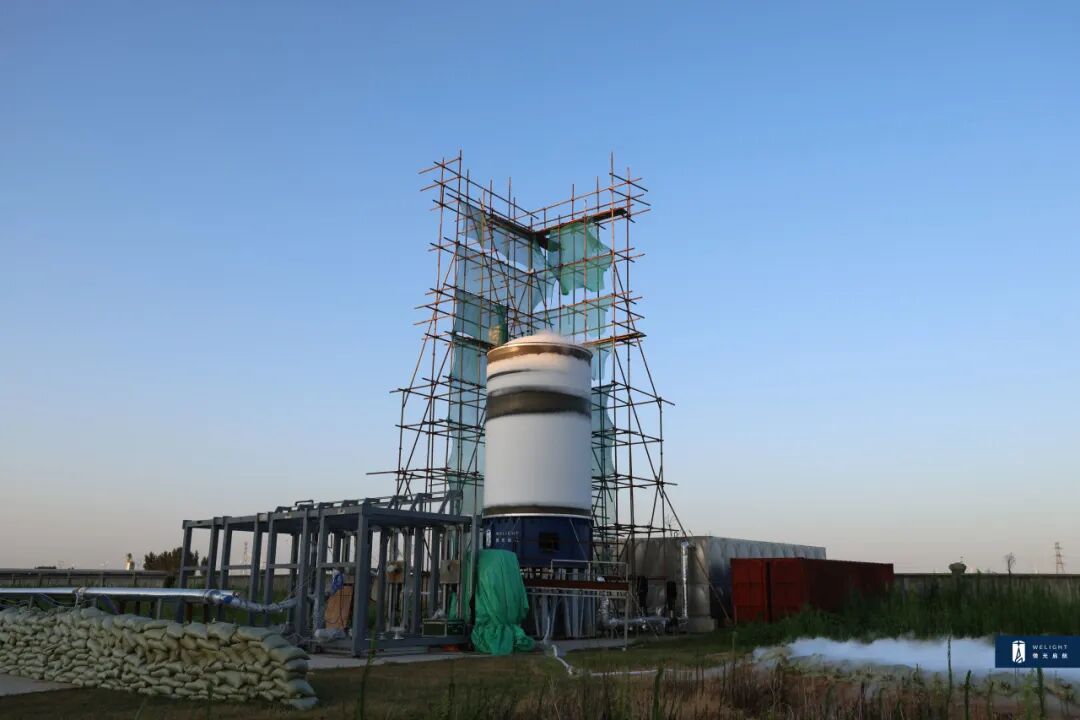
Figure: The first fueling joint test concludes successfully with all tank performance metrics fully met
Technology Advances Further, Strengthening the Foundation for Carbon‑Fiber Tank Applications
Carbon‑fiber composites offer outstanding advantages in high specific strength and specific stiffness. WeLight previously completed the manufacturing and verification of China's first LOX/methane carbon‑fiber common‑dome tank engineering unit, adopting a liner‑free T800‑grade all‑carbon‑fiber solution that achieves 30% structural weight reduction, 90% shorter production cycle, and a cost of only 70% of traditional metal materials.
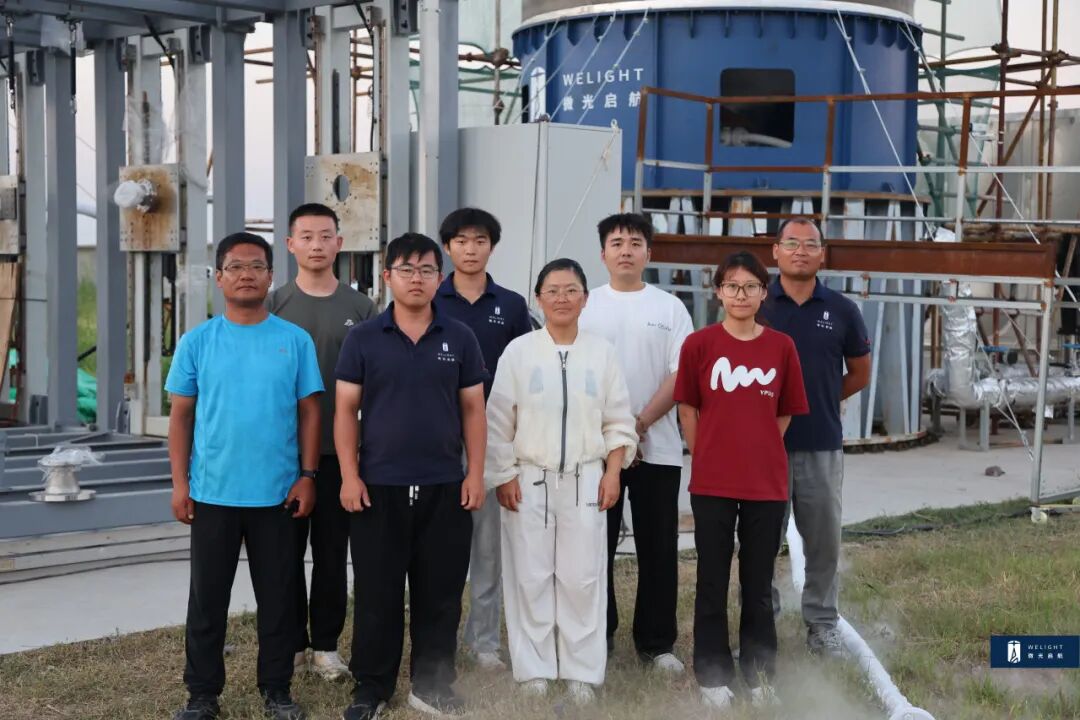

The successful completion of this joint test marks another critical breakthrough for WeLight in the development of carbon‑fiber composite tank technologies, carrying dual core significance for both maiden flight assurance and reusability validation. The company will continue to uphold its core philosophy of "technological innovation as the core and commercial value as the driving force," steadily advancing all maiden flight preparations and providing solid technical support for the development and safe launch of China's commercial reusable launch vehicles.
Editor: Zhao Jiaqi
Proofreader: Ding Shanyang
