
On the technology front, WeLight continues to solidify its differentiated technical roadmap of "all‑carbon‑fiber airframe + full‑flow staged combustion cycle LOX/methane engine". The company completed the manufacturing and verification of China's first LOX/methane carbon‑fiber common‑dome tank engineering unit by the end of February 2026. This product adopts a liner‑free T800‑grade all‑carbon‑fiber solution, achieving 30% structural weight reduction, a 90% shorter production cycle, and a cost of only 70% of traditional materials. Meanwhile, key components of the "Blaze‑1" full‑flow engine have passed liquid flow tests, laying a solid foundation for full‑engine hot‑fire tests.
In its R&D process, WeLight deeply integrates AI technology, collaborating with UAE‑based Leap71 and other institutions to advance "AI + computational engineering", compressing design iteration cycles from months to days. Through the deep integration of "AI + 3D printing technology", the dual revolution in R&D and manufacturing paradigms is empowering the next‑generation engine, helping to achieve global optimal solutions in the three dimensions of "cost, reliability, and efficiency" for rocket engines.
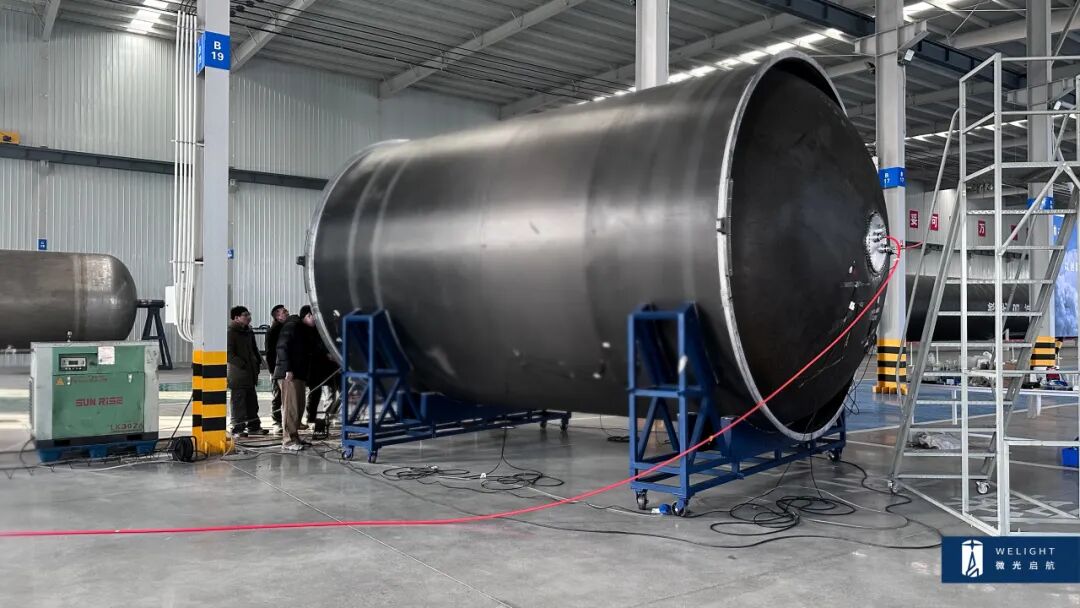
Figure | Test of China's first carbon‑fiber common‑dome tank engineering unit
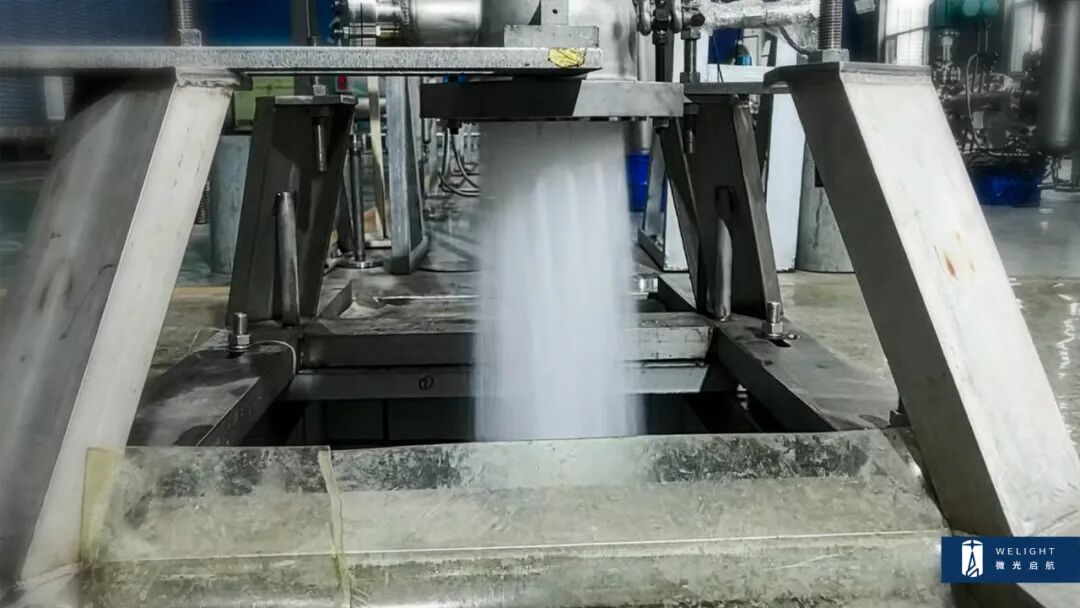
Figure | Dual pre‑burner liquid flow test of the Blaze‑1 full‑flow LOX/methane engine
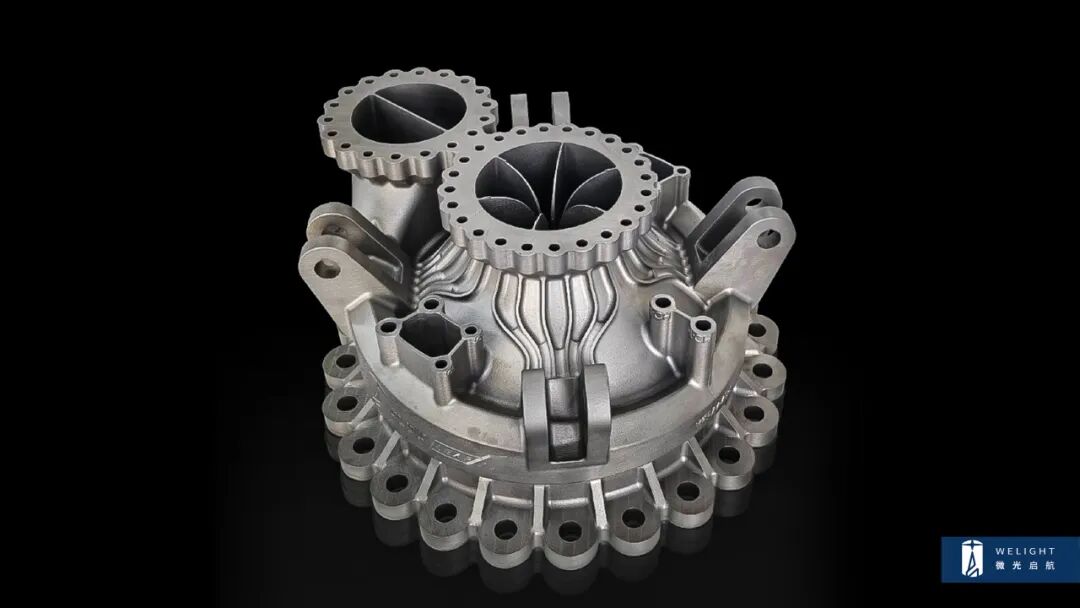
Figure | 3D‑printed coaxial shear injector via AI + computational engineering
In 2026, the WeLight team will continue to strengthen its technical roadmap, with full focus on the full‑system hot‑fire test of the Blaze‑1 engine and the engineering development and testing of a ф3.8m×20m carbon‑fiber liner‑free cryogenic tank.
WeLight has always made industrialization capability its core strategy, bringing commercial launch vehicles back to their commercial value essence. The company has set a clear target of gross margin above 60% as a core goal in product R&D, committed to achieving a closed‑loop business model of "fly well and profit" – ensuring both core performance indicators like reliability and launch efficiency, while keeping costs controllable and profits substantial across the entire chain of design, materials, manufacturing, and launch, truly making rockets commercially viable products with sustained revenue‑generating capability.
According to the company's plan, WeLight has set clear market price targets for the Spark‑1 rocket: one‑time use priced below RMB 20,000/kg, and reusable below RMB 5,000/kg. The timeline is also clearly defined: full commercialization of carbon‑fiber rockets by 2028, recovery tests in 2029, and commercial reusable rocket operations by 2030.
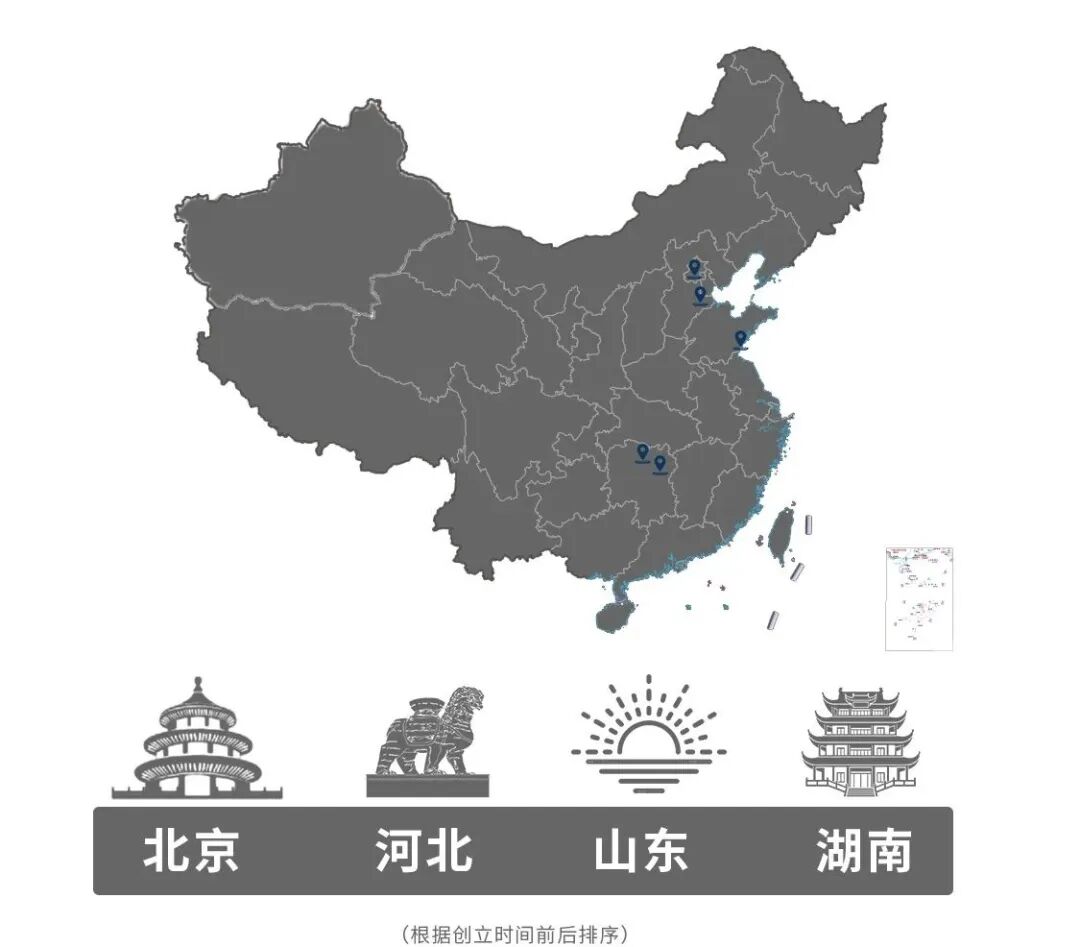
Figure | WeLight's integrated industrial strategic layout
Meanwhile, WeLight will further expand its industrial layout. The company will establish a propulsion system R&D center in Changsha, Hunan, and the first commercial‑space full‑flow LOX/methane engine test base in Changde, Hunan. This test base can support high‑performance engine tests at chamber pressures above 30MPa, used for full‑condition hot‑fire tests and reliability verification of the Blaze‑1 engine. Additionally, the company will set up a carbon‑fiber composite rocket structural component manufacturing headquarters base in Rizhao, Shandong, to undertake mass production of airframe structural parts. The two bases in Changde and Rizhao will enable WeLight to achieve full‑chain in‑house manufacturing capability from core propulsion to key components. At that time, WeLight will form a strategic layout of "one headquarters, two R&D centers, and three bases": Beijing operations headquarters, dual R&D centers in Beijing and Changsha, the Hejian pilot production base in Cangzhou, the Changde propulsion system test base, and the Rizhao manufacturing base.

Investors in this round commented:
Commercial launch vehicles have entered a new stage of competing on reliability, cost control, and production efficiency. WeLight has achieved the leap from lab to production line in its two core technologies – carbon‑fiber composite rockets and full‑flow engines – which is particularly rare among current private commercial space companies. We are optimistic about its potential to become a key supplier of core infrastructure for the future space economy."